
TMJ Treatment in Sheridan, WY
TMJ Treatment Near You
Jaw soreness in the morning, recurring headaches, or clicking when you chew can sometimes be associated with problems involving the temporomandibular joints, or TMJs. At Grinnell Street Dental, we provide TMJ treatment in Sheridan, WY, to help evaluate jaw-related symptoms and determine whether treatment may improve your comfort and oral function.
A thorough evaluation can help identify possible causes of your symptoms and guide the next steps for care. If you are considering TMJ treatment near you, we can discuss your symptoms and help you understand your treatment options.

When Your Jaw Isn't Working Comfortably
The temporomandibular joints are located on either side of your face and connect your lower jaw to your skull. They help you chew, speak, yawn, and open and close your mouth.
Problems involving the joints or surrounding muscles can cause symptoms such as jaw pain, stiffness, clicking, popping, headaches, facial discomfort, or difficulty opening your mouth.
Several factors may contribute to TMJ symptoms, including clenching or grinding, injury, changes in the bite, and other issues affecting the jaw joints or muscles.
Signs Your Jaw May Need Attention
You may want to schedule an evaluation if you experience:
Jaw clicking, popping, or grinding
Tenderness around your jaw or temples
Recurring headaches accompanied by jaw discomfort
Facial or jaw soreness
Difficulty opening or closing your mouth
Jaw stiffness
Teeth grinding or clenching
Changes in how your teeth come together
Finding Out What's Causing the Problem
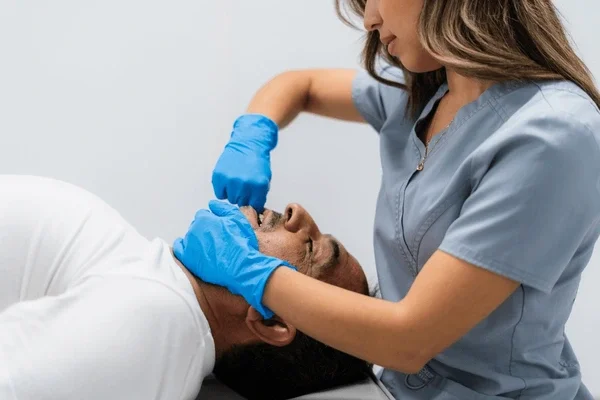
Before starting TMJ treatment near you, your dentist will evaluate your symptoms and overall jaw function. This may include discussing your dental history and checking how your jaw moves and how your teeth come together.
Digital imaging or other tests may be recommended to provide additional information when needed. Depending on your symptoms, a custom oral appliance may also be recommended to help manage discomfort or protect your teeth from grinding.
A Treatment Plan Built Around Your Needs
There is no single treatment that works for every TMJ concern. At our dental office in Sheridan, WY, we consider your symptoms and evaluation findings to create a plan that may include an oral appliance, addressing contributing dental concerns, or other conservative care.
If an appliance is recommended, your dentist can explain how to wear, clean, and care for it. Follow-up appointments may help us monitor your progress and make adjustments when needed.
Why Choose Grinnell Street Dental?
At Grinnell Street Dental, TMJ care starts with understanding the individual rather than treating every jaw problem the same way. Dr. Justin Coon and Dr. Cody Coon take time to assess your bite, symptoms, and dental history before discussing treatment.
Our practice has been helping patients for more than 30 years and provides a wide range of general and cosmetic dental services. We also use advanced tools such as digital impressions and a PreXion scanner when appropriate to support detailed evaluation and treatment planning.
Whether you need an oral appliance for jaw-related symptoms or have another dental concern affecting your bite, our team can help you understand your options.
Take the First Step Toward a More Comfortable Jaw
Recurring jaw pain, headaches, or clicking should not simply be ignored. An evaluation can help identify possible causes and determine whether TMJ treatment in Sheridan, WY, is appropriate.
Call Grinnell Street Dental at (307) 672-7567 or visit 108 Grinnell Plaza, Sheridan, WY 82801 to schedule an evaluation.
FAQs
How can I tell if my headaches are connected to TMJ problems?
Headaches that occur with jaw soreness, clenching, facial pain, or other jaw symptoms may be related to TMJ problems. A dentist near you can evaluate your jaw and help determine whether it may be contributing to your headaches.
Will I need to wear an oral appliance?
Not always. Your treatment will depend on the cause and severity of your symptoms. If an oral appliance may help, your dentist will explain how it works and whether it is right for you.
How long does TMJ treatment take?
Treatment time varies from patient to patient. Some patients may feel better with simple care, while others may need follow-up visits to manage their symptoms.
Can TMJ problems return?
Yes, TMJ symptoms can return, especially if habits such as clenching or grinding continue. Regular dental visits can help monitor your symptoms and address changes when needed.